Free time was rare and precious in ancient Rome – yet when it was available, the Romans made the most of it with an intensity that still surprises us today. This article presents seven facts that go far beyond the Colosseum.
What you can expect from this article
- Key takeaways at a glance
- Introduction: Leisure in ancient Rome – less Colosseum, more everyday life
- 1. Baths as temples of wellness – more than just washing
- 2. Games, betting and gambling – from the dice tower to the game of nine men’s morris
- 3. Chariot races and circus fever – the Formula 1 of the Roman Empire
- 4. Reading, theatre and literature – cultural delights for the educated
- 5. Street festivals, Saturnalia and domestic feasts – when Rome forgot about work
- 6. Sport, physical culture and hunting – fitness in ancient Rome
- 7. Gods, oracles and magic – spiritual pastimes
- Children’s leisure time in ancient Rome – playing, learning, imitating adults
- FAQ – Frequently asked questions about leisure in the Roman Empire
 Reading time approx. 11 mins.
Key findings at a glance
- Alongside gladiatorial combats and chariot races, there were quieter pastimes: board games, visits to thermal baths, readings, domestic feasts and religious rituals filled the daily lives of the ancient Romans.
- The Romans had a wide range of leisure activities, but access to them depended heavily on social status – Roman society was divided into different classes, from slaves to ordinary citizens to senators.
- Entertainment was often provided free of charge, funded by politicians seeking to secure the favour of the people.
- Some forms of leisure continue to have an impact to this day: bathing culture in Europe, street festivals with parallels to the Saturnalia, and dice and board games in taverns.
- The following section presents seven specific, and in some cases unexpected, leisure habits that thoroughly expand our understanding of life in the Roman Empire.
Introduction: Leisure in Ancient Rome – less Colosseum, more everyday life
When one thinks of the Roman Empire, gladiators spring to mind. Yet everyday life in Rome and its provincial towns was less bloody and considerably more varied. Around 117 AD, at the height of its expansion under Emperor Trajan, the Empire covered some 5 million square kilometres and stretched from Britain to the Euphrates. This vast territory was linked by a dense network of roads – recent digital mapping (Itiner-e Project, 2025) puts the total length of the main routes that can be identified at around 300,000 kilometres; earlier estimates were lower. Within this vast civilisation, people had completely different opportunities to spend their free time, depending on their social status, gender and location.
By the imperial period, there were already over 130 official public holidays in the annual calendar – Filocalus’s late antique calendar from 354 AD records around 175 days featuring games as part of a total of some 200 public holidays in the 4th century. Romans celebrated many of these festivals and public games, but not every day was a day off from work in the modern sense. Courts often did not sit on such days; religious regulations determined the character of the day, and the rhythm followed market times and religious cycles rather than a fixed weekend. Work usually began at sunrise and ended around midday. Afterwards – particularly in the city – it was time for the thermal baths, taverns, politics and socialising. Those who lived as craftsmen or ordinary citizens in a provincial town such as Cologne, Trier or Pompeii experienced similar patterns, albeit on a smaller scale. In the countryside, religious festivals and simple games dominated. Religion, politics and entertainment almost always merged – for example, during games held in honour of Jupiter or other gods.
1. Baths as temples of wellness – more than just washing
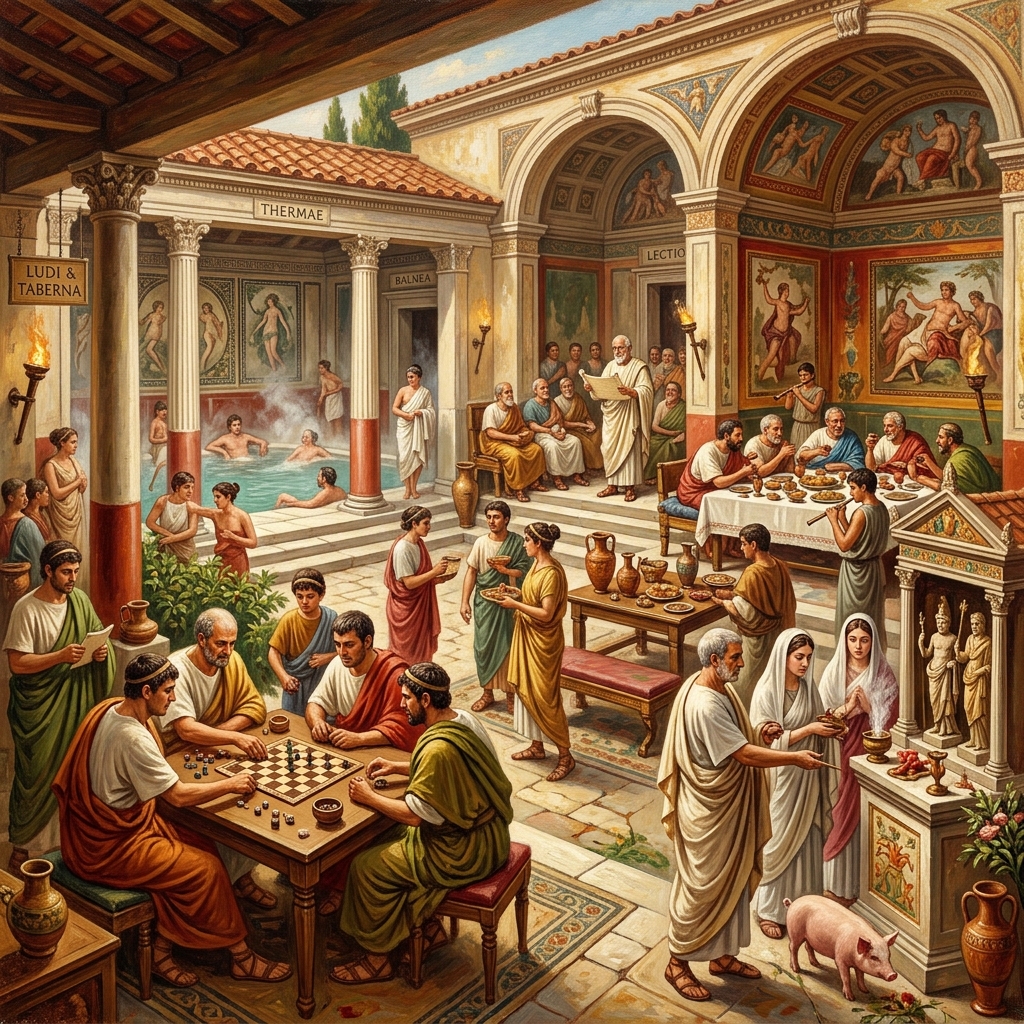
Visits to thermal baths were an integral part of Roman leisure life. For many Romans, a trip to the baths was the highlight of the day – a blend of sport, personal hygiene, literature and social interaction. The Romans perfected hypocaust heating for heated floors and walls, a technique that made such facilities possible on this scale for the first time. A particularly durable form of concrete also helped to ensure that many of these structures remained standing for centuries.
The Baths of Caracalla in Rome, opened in 216 AD, could accommodate around 1,600 bathers at any one time; on peak days, up to 8,000 visitors attended. The complex comprised an apodyterium (changing room), a frigidarium (cold bath), a tepidarium and a caldarium, a palaestra for sport, two libraries – one for Latin texts, the other for Greek texts – as well as gardens and shops. Both women and men used the baths, usually at separate times or in separate areas. Here, people discussed politics, conducted business and exchanged news. The philosopher Seneca once complained bitterly in one of his letters about the noise coming from a bath complex beneath his flat – singing, rough-and-tumble and the clapping of the masseurs penetrated unfiltered through walls and ceilings.
2. Games, betting and gambling – from the dice tower to the game of Nine Men’s Morris
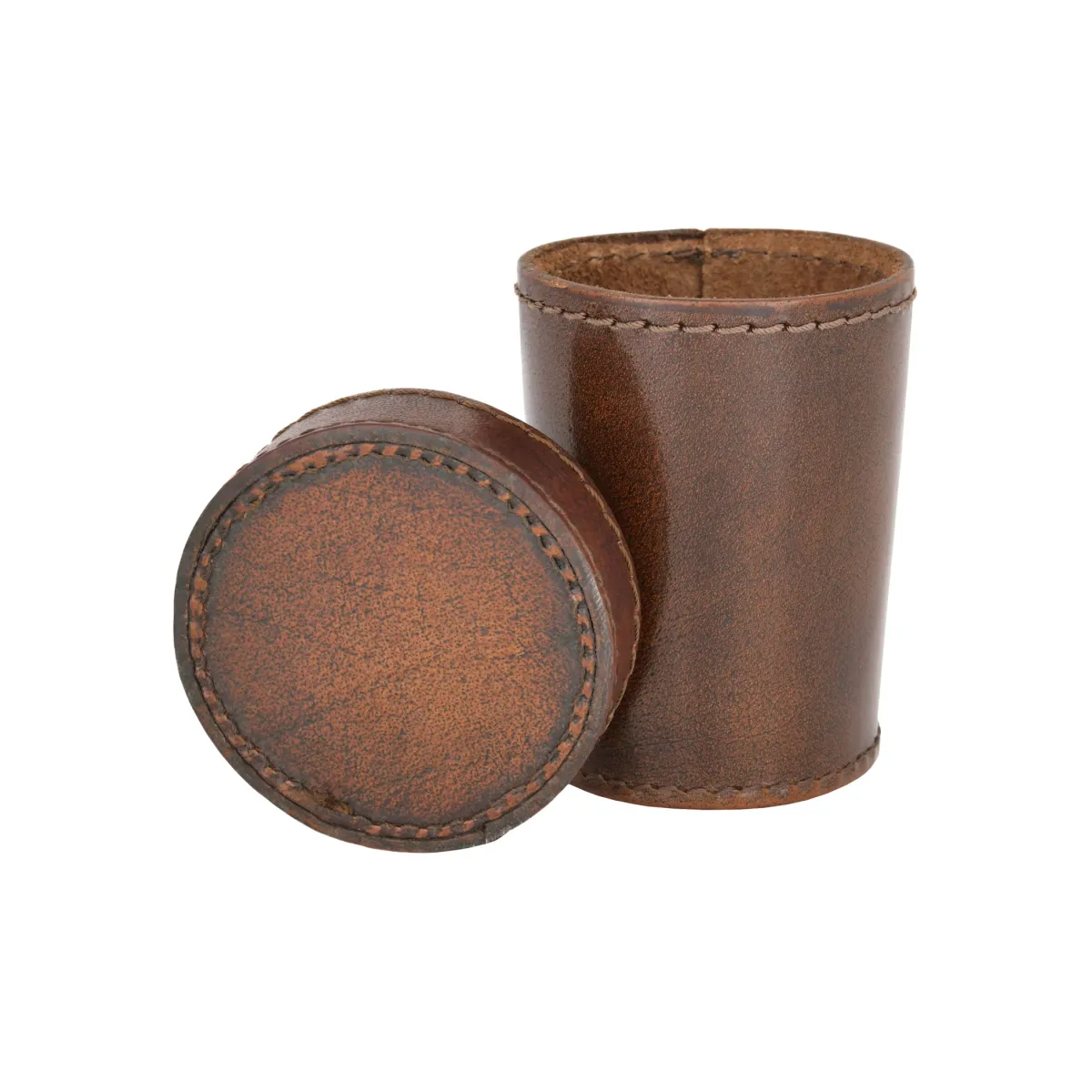
The ancient Romans were passionate gamblers. Dice games were very popular despite legal bans – the restrictions hardly deterred anyone, and on public holidays such as the Saturnalia, gambling was even officially permitted, so that even slaves were allowed to take part.
Games played with so-called astragals, made from animal ankle bones, were widespread. Dice made of ivory, bone or bronze were also used. A particularly impressive archaeological find is a richly decorated bronze dice tower from Vettweiß-Froitzheim near Cologne, dating from the 4th century AD and now on display at the Rheinisches Landesmuseum in Bonn. Two dolphin figures adorn its spout; small bells would ring as soon as the dice had passed through the internal steps – a clever trick to deter cheats, and evidence of just how popular such games were even in the northern provinces of the empire.
Strategic board games such as Ludus latrunculorum (a kind of thieves’ game), Duodecim Scripta (similar to backgammon) and Terni Lapilli (comparable to noughts and crosses) were played everywhere. Simple lines carved into roof tiles or stone benches often served as game boards – such playing surfaces can still be found today on the steps of the Colosseum, in the Roman Forum and in military camps along the Rhine and Danube.
It’s easy to vividly imagine an evening in a tavern in Pompeii: oil lamps flickering, wine cups being passed round, and four men rolling the dice for a few sesterces at a wooden table – loud, heated, a mixture of strategy and luck.
3. Chariot races and circus fever – the Formula 1 of the Roman Empire
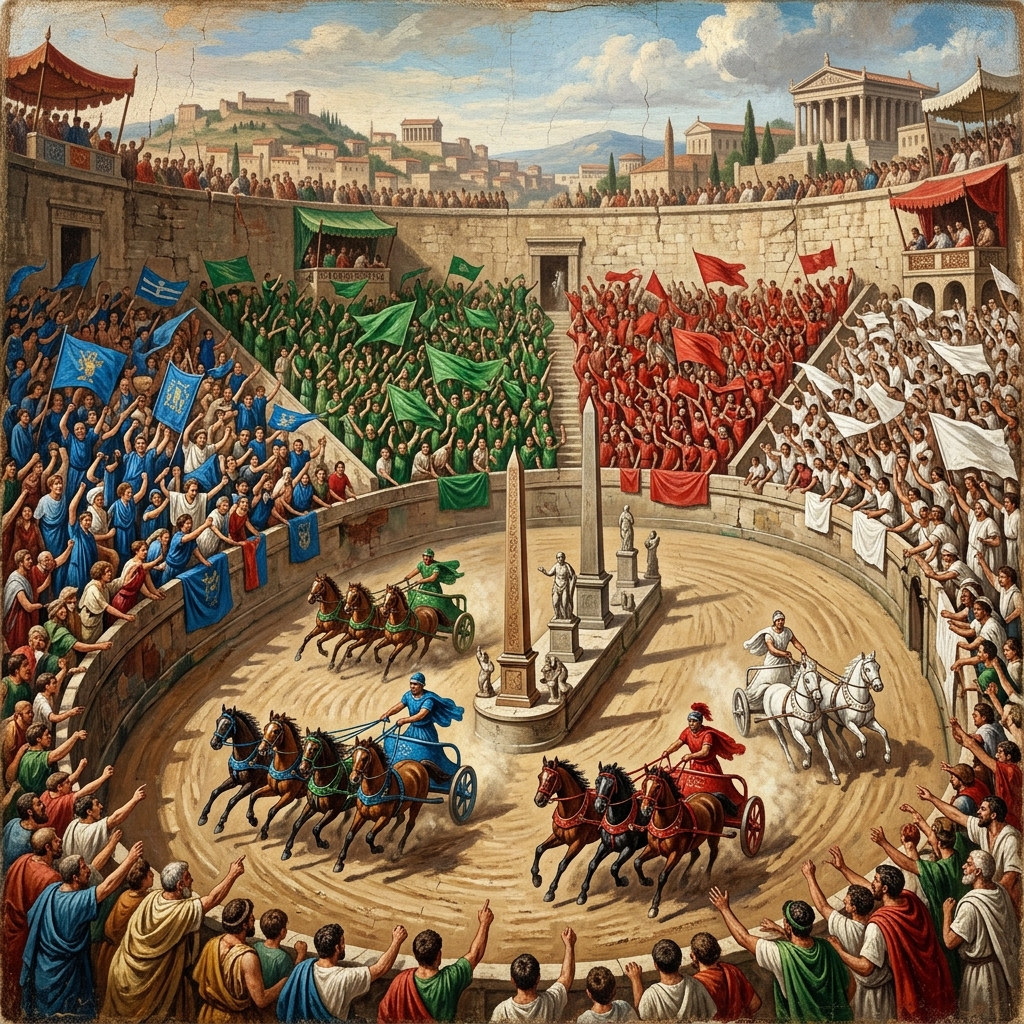
Chariot races were more popular than gladiatorial combats and, for many Romans, the most important mass spectacle of all. They took place in the Circus Maximus, which had been in use since the 6th century BC and, at its peak – following its reconstruction after the city fire of 64 AD and under Emperor Constantine – could accommodate up to 250,000 spectators.
Fans identified with their team colours – blue, green, red, white – and formed proper fan groups with rivalries and occasional outbreaks of violence. The charioteer Gaius Appuleius Diocles, who was active until around 146 AD – won around 1,462 races from over 4,200 starts during his 24-year career and, according to his surviving commemorative inscription, earned the staggering sum of 35,863.120 sesterces – which, according to calculations by the historian Peter Struck, equates to a fortune in the billions by today’s standards, making him one of the highest-paid sportsmen in history. The atmosphere in the circus was one of dust, horse sweat, incense, cheering and betting. The crowds went wild, banners fluttered, torches blazed.
Gladiatorial combats were also spectacular public events, usually funded by politicians. They took place in arenas such as the Colosseum, which could accommodate an estimated 50,000 to 65,000 spectators. Many gladiators were slaves or prisoners of war, but some became as famous as today’s sports stars. The fights also had political significance: emperors and senators used them to demonstrate their power and win the favour of the people.
4. Reading, theatre and literature – cultural enjoyment for the educated
During the Imperial period, the leisure activities of the Roman upper classes were strongly influenced by education and the arts. Public readings – known as ‘recitationes’ – were social events at which authors such as Martial or Pliny the Younger recited their works before an audience. In antiquity, literature was rarely read silently; reading aloud was the preferred way of engaging with a text.
Theatre buildings such as the Theatre of Marcellus in Rome, the Theatre of Orange in Gaul or that of Mérida in Spain provided seating for thousands to watch comedies and tragedies based on the works of Plautus and Terence. The languages of the stage were Latin and Greek. Libraries in thermal baths and forums – such as the two libraries in the Baths of Caracalla – served as venues for quieter leisure activities, accessible to anyone who could read. Those who could not read themselves relied on readers, who were a permanent fixture among the staff in wealthy households.
5. Street festivals, Saturnalia and domestic feasts – when Rome forgot about work
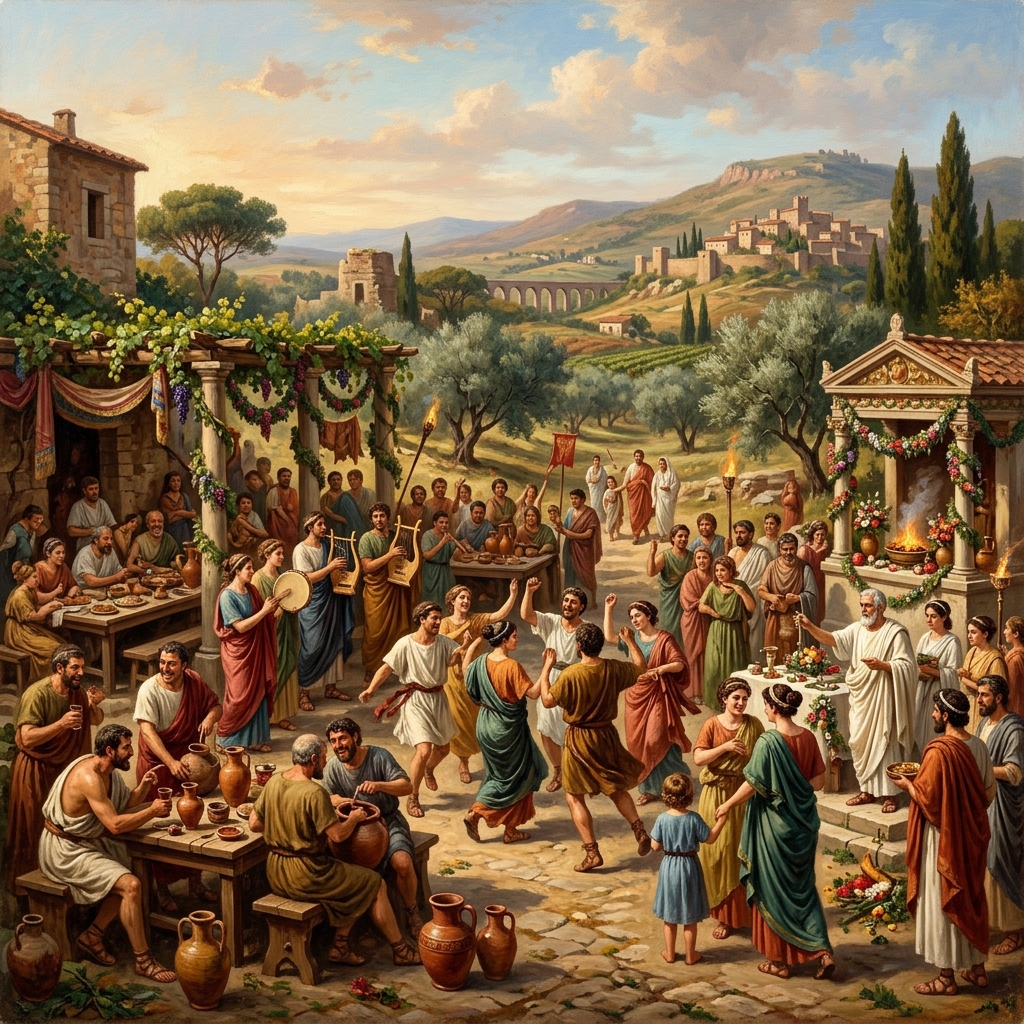
Religious festivals in the Roman Empire were often associated with lavish leisure, games and revelry. The Saturnalia in December – in honour of the god Saturn – were the highlight: over several days, gifts were exchanged, the roles between masters and slaves were symbolically reversed, and a boisterous atmosphere took hold of the streets. Betting, gambling and sumptuous feasting characterised this festival.
Domestic banquets, known as ‘convivia’, clearly highlighted the differences between the social classes. Whilst a craftsman might enjoy a simple meal at home, senators dined on triclinium couches, savouring multi-course meals accompanied by music, dancing and poetry recitals. On the streets, the so-called thermopolia – permanently installed stalls with built-in storage jars – offered quick, hot meals to ordinary citizens, much like an early fast-food concept. These festivals were celebrated in the capital, Rome, as well as in the empire’s frontier towns.
6. Sport, physical culture and hunting – fitness in ancient Rome
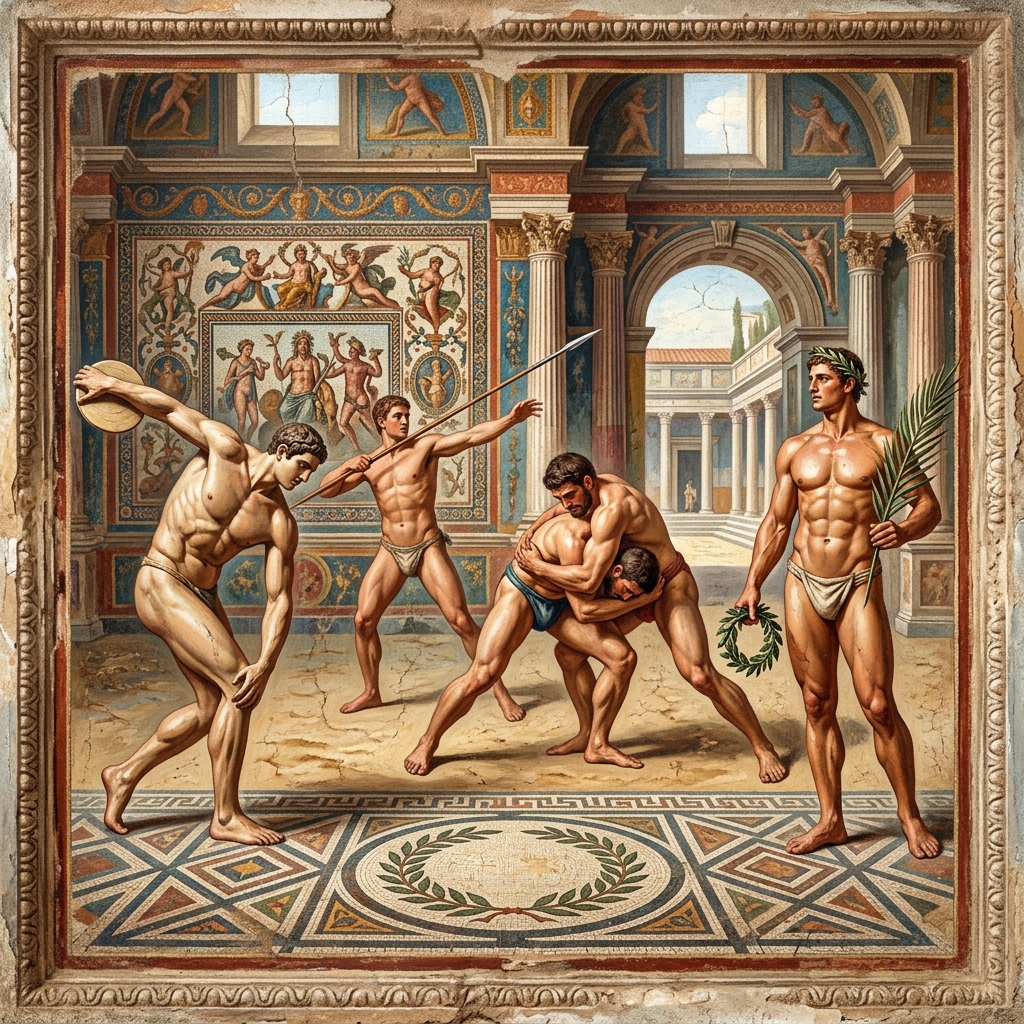
Leisure in ancient Rome included physical activities, particularly for young men and soldiers. Sports such as wrestling, running, boxing and ball games – such as the team game known as Harpastum – were practised in the palaestra of the thermal baths or in open spaces. Oil rubdowns instead of soap and scraping the skin with a scraper, the strigilis, were part of a fixed ritual. Well-trained bodies were immortalised in statues and mosaics as a cultural ideal.
Wealthy Romans also undertook hunting expeditions to their country estates, the villae rusticae, for example in the Apennines, Gaul or North Africa. Hunting provided not only meat but, above all, social prestige. Physical exercise was not merely an end in itself, but part of one’s upbringing and a cultural heritage that combined Greek ideals of athleticism with Roman discipline.
7. Gods, oracles and magic – spiritual leisure activities
Religion was a constant presence in everyday life and was certainly also experienced as a leisure activity. Visits to temples, sacrificial rites and processions were part of the rhythm of life. Consulting oracles – for example in the Greek-influenced eastern part of the empire or at local sanctuaries – was a matter of course for many people.
Amulets, horoscopes and so-called curse tablets (defixiones) – thin, inscribed lead tablets bearing love spells or curses – were part of private leisure rituals. Despite bans, large numbers of such tablets were buried throughout the empire or sunk into wells and graves, including several dozen examples in Pompeii. Domestic cults in the form of lararia – small household altars for the family’s guardian deities – existed in almost every Roman home. Small daily rituals before work and before meals were not compulsory, but rather an interplay between habit and genuine faith that permeated life in ancient Rome.
Children’s leisure time in ancient Rome – playing, learning, imitating adults
Children in ancient Rome spent less time at school than they do today, but had plenty of time for independent play. Finds from graves in Rome, Cologne and Mainz include terracotta dolls with movable limbs, small carts, gladiator figures and animal figures made of clay and wood.
Children played with walnuts – an inexpensive material readily available everywhere for throwing and target games. Hoops, spinning tops and re-enacting chariot races in courtyards and on the streets were common. Children from wealthy families received private tuition in grammar and rhetoric as part of a fixed compulsory curriculum; their free time was limited to afternoons and public holidays. For children from poorer families, by contrast, the whole world beyond their minor chores was one big playground.
FAQ – Frequently asked questions about leisure in the Roman Empire
Did the Romans really have a day off on Sundays?
In March 321 AD, Emperor Constantine introduced the ‘Dies Solis’ (Day of the Sun) as a general day of rest for courts and municipal work – with an exception for agriculture. However, this only applied to the later phase of the Empire, which was increasingly shaped by Christianity. Prior to that, other public holidays, market days (Nundinae) and the religious calendar set the rhythm – there was no fixed weekly day of rest in the modern sense before then.
Could slaves in ancient Rome enjoy any leisure time at all?
Legally, slaves were property and had no right to leisure time. Their daily lives, however, varied greatly: domestic slaves in more lenient households were able to take part in games or festivals once their work was done. During the Saturnalia, slaves were even allowed to join in the festivities, eat and drink – a rare exception to the otherwise strict social rules.
Was there such a thing as a holiday in the Roman Empire?
Wealthy Romans used extended stays at country villas on the coast near Naples or in Latium as a form of holiday. Spa breaks at famous thermal springs such as Baiae on the Gulf of Naples combined leisure, healing and luxury. Such places were regarded as centres of high society.
How did leisure time in the countryside differ from that in the city?
City-dwellers had access to theatres, thermal baths, the circus and forums. In the countryside, by contrast, religious festivals, simple games and visits to markets were the main activities. Peasant families had significantly less free time overall, and what little they had often coincided with religious holidays. Elaborate structures such as aqueducts and large thermal baths were concentrated primarily in the cities.
Which of the Romans’ leisure habits have survived to this day?
Public bathing and sauna culture, particularly in southern and central Europe, street festivals with a carnival atmosphere, and a passion for stadium and racing sports all have their roots in ancient Rome. Board games, dice games and multi-course banquets continue similar traditions, albeit in a modified form. Even the division of the Roman Empire in 395 AD, the fall of the Western Roman Empire in 476 AD – by which time Ravenna had already become the capital – and the sacking of Rome by the Visigoths in 410 AD did not bring this everyday culture to an abrupt end. The Eastern Roman Empire preserved many Roman traditions until its end in 1453, and the period known as the Migration Period (around 375 to 568 AD) carried Roman cultural heritage far into the west and north of Europe. Incidentally: Public toilets in the Roman Empire were mostly communal facilities with no separation by gender; a sponge on a stick was often used for cleaning. The state-run distribution of grain (annona) to the urban population of Rome also, in a greatly simplified form, anticipated the principles of modern social security.


Letters from the trading house
New arrivals, market dates and offers, straight from Rinchnach. Unsubscribe any time with one click.
Subscribe to the newsletter